


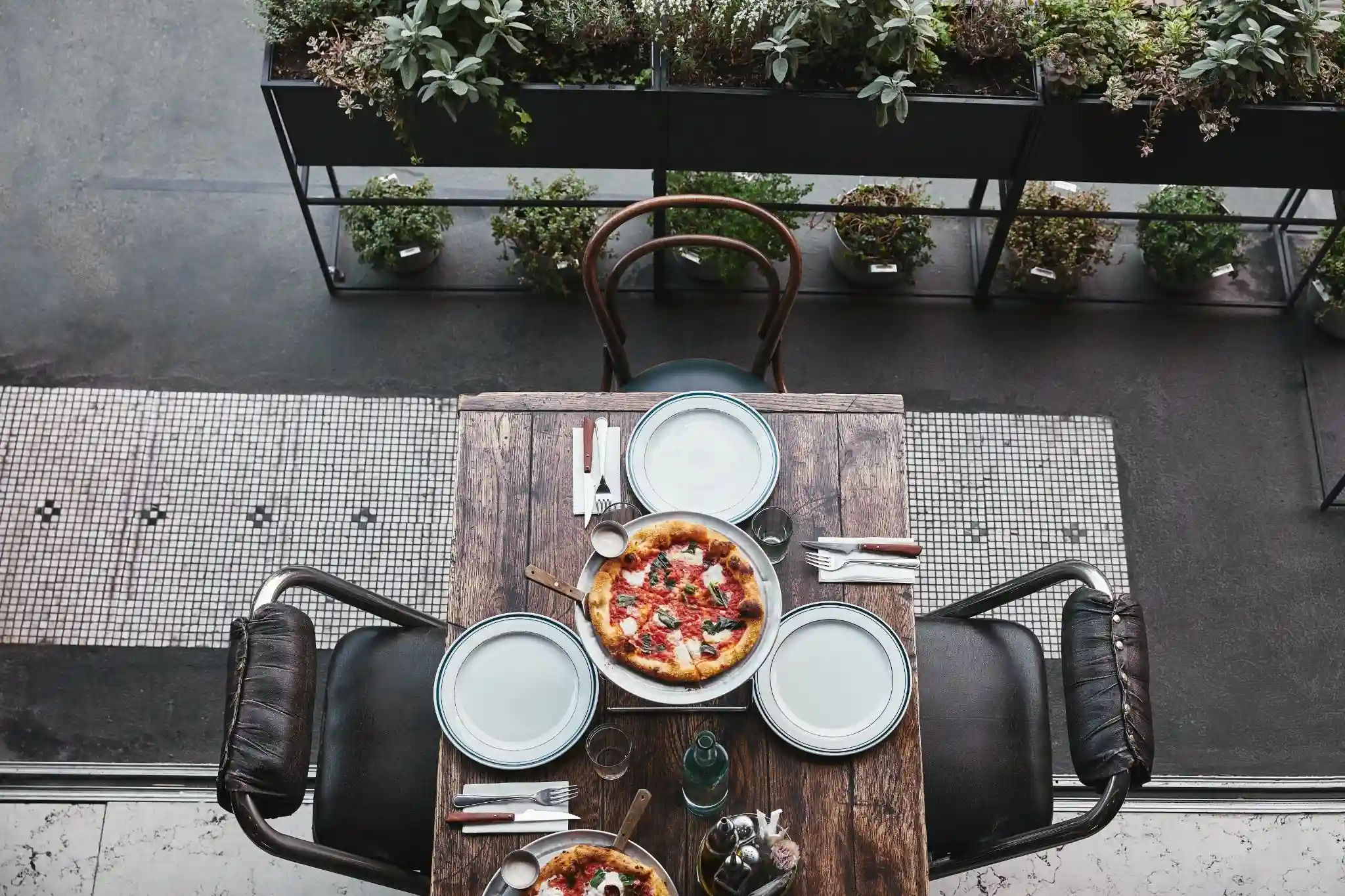
The Urban Palate: A Detailed City Dining Guide for Food Lovers and Modern Travelers
Every city has a pulse, a rhythm, and a personality, and the fastest way to experience it is through its food. Whether it’s a bustling metropolis filled with global cuisines or a culturally rich town shaped by centuries of tradition, every urban landscape has a dining story to tell. Food lovers and modern travelers are increasingly seeking more than just restaurants; they want experiences that blend flavor, culture, authenticity, and discovery. That’s where The Urban Palate comes in, a comprehensive dining approach that helps you explore cities with your tastebuds leading the way.
Modern travel is no longer limited to sightseeing. Today’s travelers crave culinary immersion. From tiny alleyway dumpling stands to elegant rooftop dining, from local markets buzzing with energy to late-night dessert shops, urban dining is an adventure that reveals a city’s identity. This guide breaks down everything you need to know about eating your way through any city like a true explorer.
Understanding the Urban Dining Landscape
Cities evolve constantly, new restaurants open daily, street vendors relocate, fusion concepts gain popularity, and traditional eateries preserve old flavors. To truly enjoy an urban dining experience, you need to understand the layers that shape a city’s food culture.
Urban dining is influenced by:
-
Local history and cultural roots
-
Immigration patterns and global influences
-
Economic growth and neighborhood development
-
Culinary trends and food innovation
-
Access to fresh markets and regional ingredients
-
Lifestyle habits and social dining culture
Once you understand this, your dining experiences become deeper and richer.
The Core Elements of The Urban Palate Experience
Navigating a city’s dining scene is a balance of research, intuition, curiosity, and willingness to step outside your comfort zone. The Urban Palate revolves around several essential pillars:
1. Authenticity
Seek places that represent the soul of the city, not just the trendy spots. Authenticity comes from tradition, heritage, and local ingredients.
2. Diversity
Cities are melting pots. You’re not exploring just one cuisine, you’re exploring the world on a plate.
3. Atmosphere
Dining is more than food. Ambience, music, décor, and energy all shape the experience.
4. Accessibility
The best city eats are not always expensive or fancy. Street vendors, food stalls, and tiny cafés often serve unforgettable meals.
5. Community
Food connects people. Local restaurants reflect the daily life, culture, and stories of the community.
Different Types of Urban Dining Experiences
Not all experiences are created equal, and each offers something unique. Here’s a breakdown of the main categories you’ll encounter while eating your way through a city.
1. Street Food and Market Eats
Street food is often the heartbeat of urban dining. These vendors know how to create flavorful, affordable food using simple ingredients and generations-old techniques.
What makes street food essential:
-
It’s affordable
-
It’s fast and convenient
-
It reflects cultural traditions
-
It’s made fresh in front of you
-
It reveals what locals actually eat
Markets also offer a sensory journey, colorful produce stands, artisan cheeses, hot grills, and pastries baked by small vendors.
2. Local Family-Owned Restaurants
Small family-run eateries often serve recipes passed through generations. These spots offer warmth, tradition, and dishes that showcase the true flavor identity of the city.
Expect:
-
Home-style cooking
-
Personal hospitality
-
Unique flavor combinations
-
Dishes made with passion
Often, these restaurants are unforgettable hidden gems.
3. Trendy Modern Restaurants
Every city has a modern dining scene, creative fusion menus, experimental flavors, and stylish presentation.
These restaurants feature:
-
Chef-driven concepts
-
Instagram-worthy dishes
-
Seasonal ingredient menus
-
Unique twists on classic meals
They cater to the modern traveler who wants both flavor and aesthetics.
4. Cafés and Coffee Culture Spots
Cafés have become major culinary destinations. Travelers love exploring cozy coffeehouses, artisanal bakeries, and minimalist brunch spots.
Café favorites include:
-
Fresh pastries
-
Specialty coffees
-
Creative brunch plates
-
Relaxed, artistic atmospheres
These spots are excellent for casual dining and cultural immersion.
5. Fine Dining and Luxury Restaurants
For special occasions or once-in-a-lifetime experiences, high-end dining showcases culinary artistry.
Fine dining highlights:
-
Multi-course tasting menus
-
High-quality ingredients
-
Stunning presentations
-
Elevated techniques
-
Chef interactions
These restaurants showcase innovation and craftsmanship at the highest level.
6. Food Halls and Communal Dining Spaces
Modern cities increasingly feature food halls, multi-vendor dining arenas with diverse cuisines.
Benefits:
-
Multiple food choices
-
Social atmosphere
-
Great for groups
-
Affordable yet stylish
-
Constantly changing vendors
They’re ideal for travelers who want variety in a single visit.
7. Late-Night and After-Hours Eats
Cities never sleep, and neither does their food. Late-night eateries often serve comfort food, snacks, and simple dishes that satisfy post-event hunger.
Expect:
-
Street grills
-
Quick bites
-
Traditional comfort meals
-
Energetic crowds
These experiences often become travel highlights because of their raw authenticity.
How to Build the Perfect Urban Dining Itinerary
Creating a dining plan ensures you maximize your time and choices.
1. Research the neighborhoods
Each district has its own flavor identity, arts, nightlife, business, historical, or immigrant districts.
2. Mix high-end and affordable meals
Great dining doesn’t have to break the bank. Balance special restaurants with casual local fare.
3. Always include markets
Markets offer everything: street eats, snacks, local goods, and cultural immersion.
4. Reserve early
Popular restaurants fill fast, especially in major cities.
5. Leave space for spontaneity
Some of the best meals happen by accident.
Tips for Dining Like a True Urban Explorer
Modern travelers blend curiosity with confidence. Here’s how to elevate your dining experience:
Ask locals for recommendations
Taxi drivers, baristas, shop employees, they know the authentic spots.
Walk whenever possible
You’ll discover hidden restaurants, vendors, and cafés not listed online.
Try something you’ve never eaten before
Travel is the perfect time to expand your palate.
Visit during off-hours
Fewer crowds mean better service and a more relaxed environment.
Pay attention to lines
If locals are lining up, it’s usually worth the wait.
Check the daily specials
Chefs often showcase their best ideas through specials.
Cultural Dining Etiquette for Food Lovers
Every city has its own dining customs. Being aware of them enhances your experience.
Considerations include:
-
Tipping norms
-
Table-sharing customs
-
Whether foods are eaten with hands
-
Dress expectations for high-end restaurants
-
Reservation etiquette
Respecting local dining culture shows appreciation for the community.
Balancing Food Adventures With Health and Safety
While exploring urban food, prioritize safety.
Tips:
-
Eat from vendors with high turnover
-
Avoid foods left out in the heat
-
Stay hydrated
-
Be cautious with raw or undercooked items if unsure
-
Listen to your body
Healthy travelers enjoy more experiences.
Frequently Asked Questions
1: How do I find the best local food spots in a new city?
Start by exploring neighborhoods on foot, asking locals for their favorite places, and visiting markets or street food hotspots. Social platforms, independent food blogs, and local food guides also highlight authentic eateries that aren’t overly commercialized.
2: Is it safe to eat street food while traveling in large cities?
Yes, most of the time. Choose vendors with long lines, clean setups, and freshly cooked food. Vendors who constantly serve customers usually have high food turnover, meaning the ingredients are fresh and safe to consume.
3: How can I avoid overpriced tourist traps when choosing where to eat?
Avoid restaurants directly surrounding major tourist attractions. Instead, walk a few blocks away, explore side streets, and seek recommendations from locals or independent food reviewers. Touristy venues often prioritize convenience over quality.
Final Thoughts
Urban dining is a journey, one filled with flavors, experiences, stories, and cultural discoveries. The best city dining guides don’t just list restaurants; they teach you how to navigate the food landscape thoughtfully and authentically. When you embrace curiosity, explore beyond the obvious, and connect with the diversity of a city, your meals become more meaningful and memorable.
Whether you’re sampling street food at a busy market, enjoying brunch in a quiet café, or savoring a chef’s tasting menu at a high-end restaurant, the urban palate opens doors to unforgettable culinary adventures. Each bite becomes a reflection of the city’s culture, creativity, and spirit, making food not just something you consume, but something you experience.