


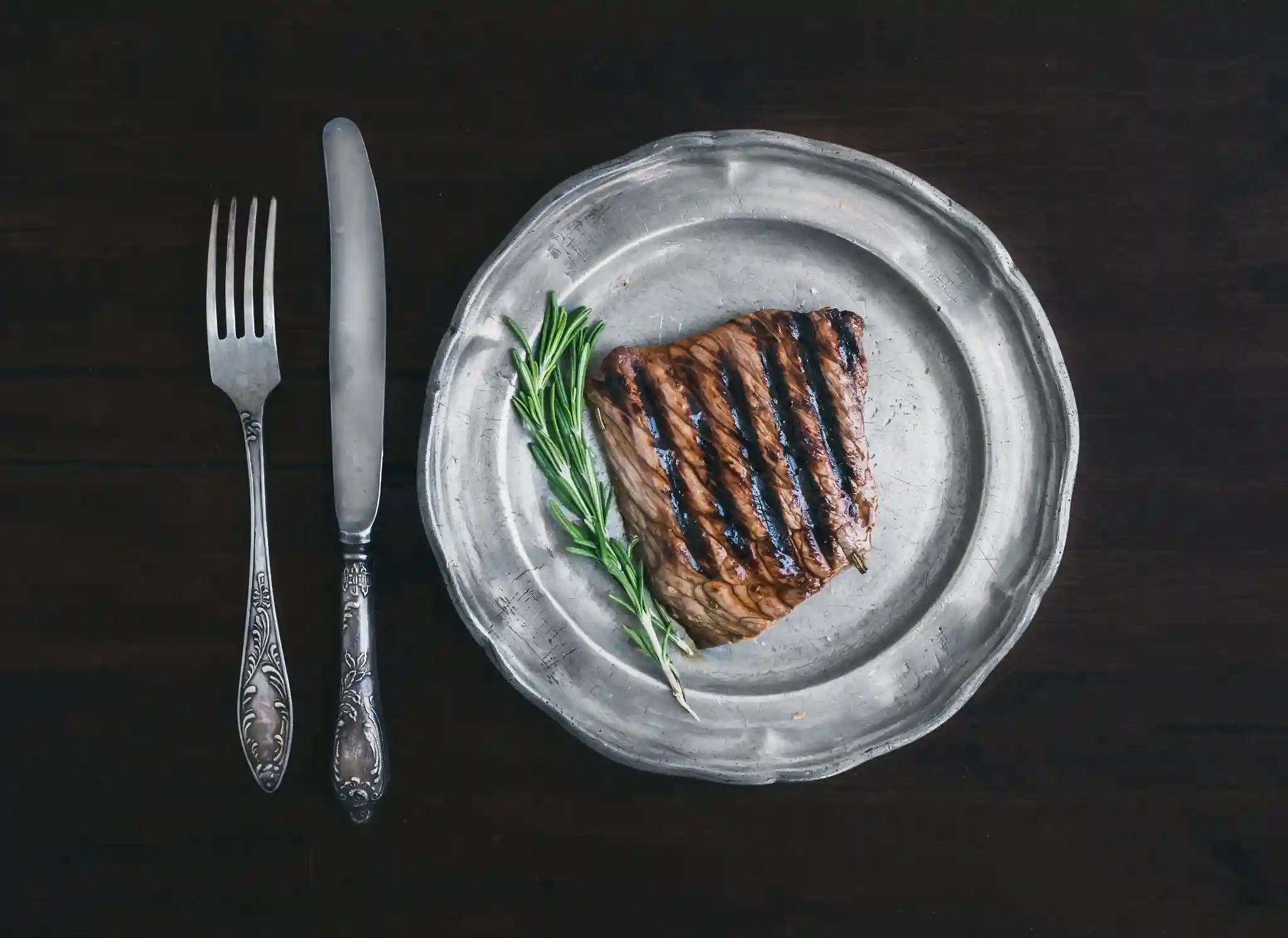
What are the most essential steak recipe tips for achieving a restaurant-quality sear?
A perfectly seared steak is the hallmark of a great cook, crisp on the outside, tender and juicy inside, deeply caramelized, and bursting with rich, beefy flavor. It’s the kind of steak that restaurants become famous for, the kind you dream about long after the last bite. But achieving that restaurant-quality sear at home can be challenging if you don’t understand the science and technique behind it.
Fortunately, mastering that golden-brown crust isn’t impossible, it’s a skill you can develop with the right knowledge and a bit of practice. Professional chefs rely on specific techniques that ensure consistency, high heat, and full flavor development. And once you learn their methods, your homemade steaks will dramatically improve.
In this detailed guide, you’ll discover the most essential steak recipe tips for achieving a restaurant-quality sear every single time, whether you’re cooking on a grill, cast-iron skillet, or stainless-steel pan.
Why the Sear Matters
The sear isn’t just for looks, it creates the deep, complex flavors people associate with restaurant steaks. This flavor comes from the Maillard reaction, a chemical process where heat transforms amino acids and sugars into new, rich flavor compounds.
A proper sear:
-
Enhances overall taste
-
Adds crispy texture
-
Locks in aroma
-
Creates visual appeal
-
Complements internal doneness
Without a good sear, even high-quality beef can taste underwhelming.
1. Start With a Dry Steak
Moisture is the enemy of a good sear. Water must evaporate before browning begins, which means wet steaks steam instead of sear.
Dry your steak thoroughly by:
-
Patting both sides with paper towels
-
Allowing it to air-dry in the fridge for an hour or overnight
-
Avoiding excessive marinade before searing
The drier the surface, the faster the crust develops.
2. Bring the Steak to Room Temperature Before Cooking
Cold steaks don’t sear well. Bringing the steak to room temperature ensures even cooking and faster browning.
Allow:
-
20–40 minutes for most steaks
-
Up to 60 minutes for thick cuts
This minimizes temperature shock and encourages uniform searing.
3. Season Generously With Salt (and Pepper at the Right Time)
Salt is the foundation of flavor and crust development. It pulls moisture to the surface, dissolves it, and then helps create that iconic brown crust.
Tips:
-
Use coarse kosher or sea salt
-
Season generously, restaurant chefs don’t hold back
-
Salt 40–60 minutes before cooking or right before searing
-
Add pepper just before cooking to avoid burning
A well-seasoned steak browns more evenly and tastes more flavorful.
4. Choose the Right Cooking Surface
Restaurant-quality sears require surfaces that retain and distribute high heat.
Best options:
-
Cast-iron skillet (top choice for pan-searing)
-
Stainless steel pan
-
High-heat flat-top griddle
-
Well-preheated grill grates
Avoid nonstick pans, they cannot reach the temperatures needed.
5. Preheat the Pan or Grill Until Smoking Hot
Restaurants rely on high heat to create rapid, deep browning. Home cooks often underheat their pans.
A properly preheated skillet should:
-
Produce faint wisps of smoke
-
Sizzle aggressively when steak touches it
-
Feel extremely hot if you hover your hand 2 inches above
If the pan isn’t hot enough, your steak will steam and turn gray instead of building a crust.
6. Oil the Steak, Not the Pan
Professional chefs lightly oil the steak, not the cooking surface, to prevent sticking and burning.
Use:
-
High smoke-point oils: avocado, grapeseed, canola
-
A light coating only, don’t soak the meat
This creates a thin insulating layer that helps with browning.
7. Don’t Overcrowd the Pan
Crowding lowers the temperature of the pan, preventing proper browning.
When pan-searing:
-
Leave space between steaks
-
Cook one at a time if necessary
-
Use a larger pan for bigger cuts
Heat must circulate for the sear to form.
8. Don’t Move the Steak Too Soon
A restaurant-quality sear requires patience. Moving or flipping the steak too soon interrupts crust development.
Let it sear undisturbed for:
-
2–4 minutes per side for most steaks
-
Longer for thick cuts
-
Until the crust forms naturally and releases on its own
The steak should lift easily with tongs when the crust is ready.
9. Master the Flip (and Only Flip Once)
Contrary to many myths, flipping more than once doesn’t ruin the steak, but flipping too early or too often can.
Most chefs recommend flipping once when trying to achieve a strong crust, especially when temperatures are extremely high.
Ideal flipping guide:
-
Sear side 1 until crust forms
-
Flip and sear side 2
-
Finish in the oven or at lower grill heat if needed
One well-timed flip creates symmetrical browning and better color.
10. Use the Press-and-Release Technique for Even Contact
Steaks aren’t always perfectly flat. Some have curved edges that don’t touch the pan. Chefs gently press for 1–2 seconds to ensure full surface contact.
DO NOT:
-
Smash the steak
-
Press repeatedly
DO:
-
Apply a quick, gentle press to maximize searing
This helps produce a more even crust across the steak.
11. Use the Right Fats for Basting
Basting adds flavor and accelerates browning.
Restaurant-style basting uses:
-
Butter
-
Garlic cloves
-
Fresh thyme
-
Fresh rosemary
Melt the butter, tilt the pan, and spoon it over the steak for 30–60 seconds.
This creates a golden-brown finish and a rich aroma.
12. Finish at the Correct Internal Temperature
A perfect sear is wasted if the interior is overcooked. Use a meat thermometer to ensure accuracy.
Temperature goals:
-
Rare: 120–125°F
-
Medium rare: 130–135°F
-
Medium: 140–145°F
Remove the steak 5°F before your target, as it cooks while resting.
13. Let Your Steak Rest Properly
Resting allows juices to redistribute. Cutting too early causes them to spill out.
Rest:
-
5–10 minutes depending on thickness
-
Loosely covered with foil
-
On a cutting board (not the pan)
The result: juicier steak and deeper flavor.
14. Slice Against the Grain for Maximum Tenderness
Even a perfectly seared steak becomes chewy if sliced incorrectly.
To slice properly:
-
Identify the direction of muscle fibers.
-
Cut perpendicular to the grain.
-
Slice thinly for optimal texture.
This technique shortens the fibers and enhances tenderness.
15. Use Finishing Salts to Elevate Flavor
A pinch of high-quality salt adds complexity.
Best finishing salts:
-
Maldon sea salt
-
Fleur de sel
-
Himalayan pink salt
Finishing salt adds a final layer of crunch and flavor enhancement.
Bonus Tip: Choose the Right Cut for Searing
Some cuts naturally sear better due to fat content and structure.
Best cuts for searing include:
-
Ribeye
-
Striploin / New York strip
-
Flat iron
-
Denver steak
-
Filet mignon (with butter basting)
These cuts caramelize beautifully and develop intense crusts.
Frequently Asked Questions
1: Why does my steak turn gray instead of forming a crust?
Gray steak usually means the pan wasn’t hot enough or the steak was too moist. Ensure proper drying, preheat the pan until smoking, avoid overcrowding, and use a high heat-source to initiate browning quickly.
2: Should I sear before or after cooking?
Both methods work, but for thick steaks, the reverse sear (slow cooking first, then searing at high heat) creates better edge-to-edge doneness and an exceptional crust. For thinner steaks, sear first and finish quickly to avoid overcooking.
Final Thoughts
Achieving a restaurant-quality sear at home is all about mastering heat, timing, and technique. When you dry the steak properly, season with intention, use high heat, avoid early flipping, and finish with precision, the results speak for themselves, a deep crust, rich flavor, and beautifully tender interior.
These essential tips transform ordinary home cooking into a professional-level experience. Once you understand the science behind searing, every steak becomes a chance to refine your craft and enjoy a meal that rivals any high-end steakhouse. With patience, practice, and proper technique, your kitchen or backyard grill becomes the stage for unforgettable culinary excellence.