


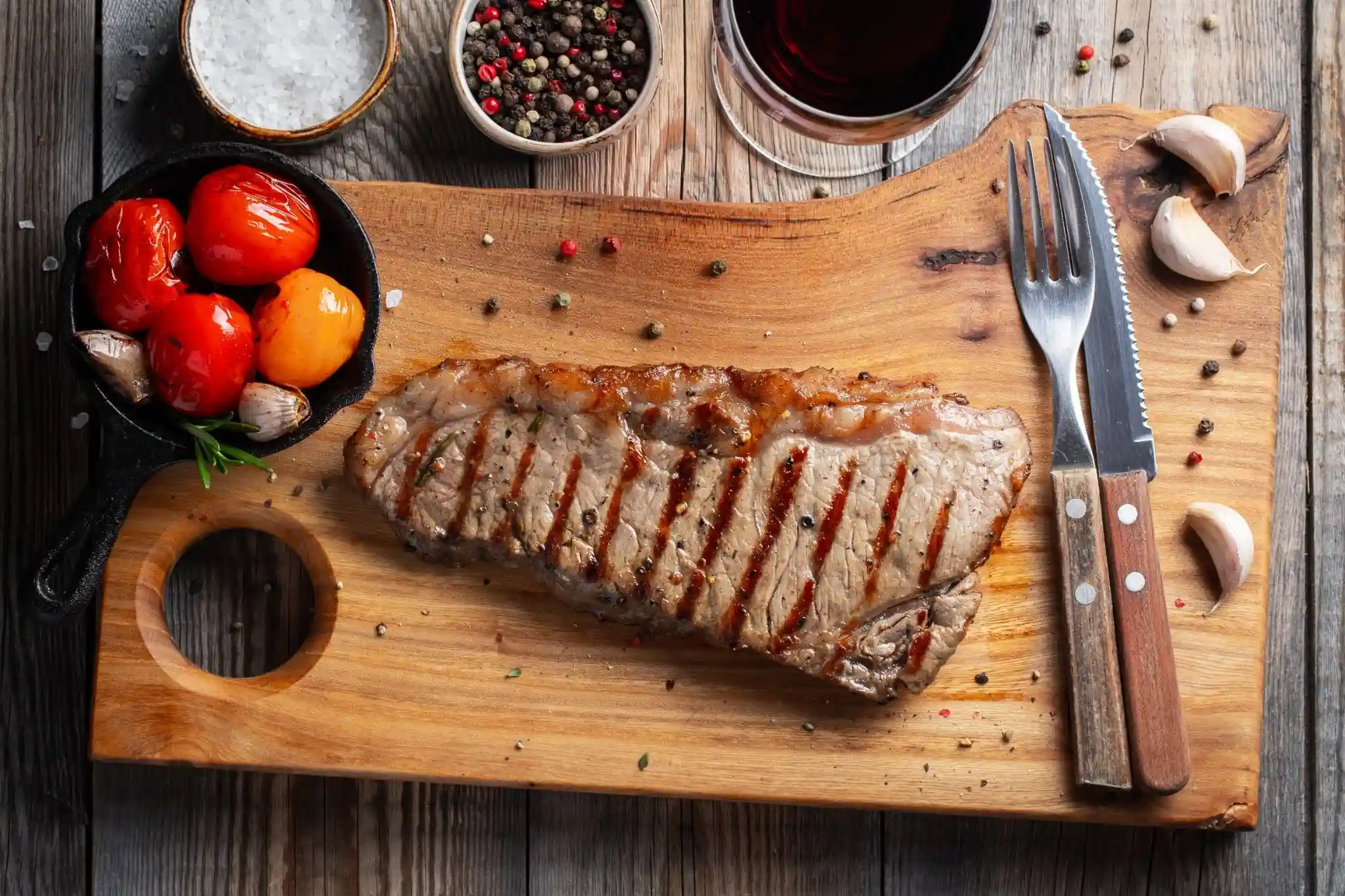
Master the Grill: Professional Steak Recipe Tips for the Perfect Home-Cooked Meal
Grilling steak at home is one of the most satisfying cooking experiences you can have. There’s something deeply rewarding about hearing the first sizzle when the meat hits the grill, smelling the smoky aroma as the crust forms, and slicing into a perfectly cooked, juicy, tender steak. Yet many home cooks struggle with consistent results, either the meat burns before reaching the right temperature, ends up dry, or fails to deliver that restaurant-quality sear.
The good news? Perfecting a steak at home is completely achievable when you understand the techniques professional chefs use every day. A great steak isn’t about expensive tools or overly complicated steps, it’s about mastering the fundamentals: preparation, temperature control, seasoning, searing, and finishing. Once you understand these principles, every steak you cook becomes a chance to put skill, precision, and passion on the grill.
This ultimate guide breaks down everything you need to know to master the grill and cook a steak at home that rivals the best steakhouses. Whether you’re using gas, charcoal, or a hybrid setup, these techniques will elevate your grilling game permanently.
Choose the Right Cut: The Foundation of a Great Steak
Before any seasoning or grilling begins, the quality and type of cut you choose make a massive difference.
Top cuts for grilling include:
-
Ribeye – rich marbling, juicy, flavorful
-
Striploin / New York Strip – balanced tenderness and beefiness
-
Filet Mignon – extremely tender, mild flavor
-
T-Bone / Porterhouse – dual-cut experience, ideal for sharing
-
Sirloin – leaner but flavorful, affordable
-
Flat Iron – tender and economical
Thickness matters too. Professional chefs prefer steaks between 1.25 to 2 inches thick. Thinner cuts cook too fast, making it hard to achieve both crust and correct doneness.
Bring Your Steak to Room Temperature
Home cooks often skip this step, but chefs never do. Allowing the steak to sit at room temperature for 20–40 minutes ensures more even cooking and a better sear.
If the steak is ice cold:
-
The interior stays undercooked
-
The exterior may burn
-
The muscle fibers tighten and toughen
Room-temperature steak = more consistent results.
Master the Art of Seasoning
Professional chefs keep seasoning simple because great beef doesn’t need much help. Salt and pepper, when used correctly, transform the steak naturally.
Salt is the most important seasoning.
It enhances flavor, draws out moisture that later helps create the crust, and breaks down proteins for tenderness.
How to season like a pro:
-
Use coarse salt (kosher or sea salt).
-
Season generously on all sides.
-
Add freshly cracked black pepper right before grilling.
-
Optional: garlic powder, smoked paprika, or herbs, but don’t overpower the meat.
Pro tip:
Salt the steak 30–60 minutes before grilling OR right before cooking. Avoid salting it 5–20 minutes before grilling, this draws moisture out without giving the steak enough time to reabsorb it.
Prepare Your Grill: Heat Management is Everything
Perfect steak requires a hot grill, very hot.
For gas grills:
-
Preheat on high for 15 minutes
-
Use dual zones (hot zone for searing, medium zone for finishing)
For charcoal grills:
-
Let coals heat until glowing and lightly covered in ash
-
Create two zones by moving more coals to one side
Target temperatures:
-
500–650°F (260–343°C) for searing
-
350–450°F (177–232°C) for finishing
A two-zone grill setup gives you control, prevents burning, and helps you hit perfect doneness.
Searing: The Secret Behind Restaurant Steak Flavor
The sear is where magic happens. Chefs call it the Maillard reaction, a chemical transformation creating deep, savory flavors and a crisp, caramelized crust.
How to achieve a perfect sear:
-
Place the steak on the hottest part of the grill.
-
DO NOT press down, this releases juices.
-
Let it sear undisturbed for 2–4 minutes.
-
Flip once the crust forms and the steak releases easily.
-
Repeat on the other side for another 2–4 minutes.
Avoid flipping repeatedly; it prevents proper browning.
Use the Reverse Sear Method for Thick Cuts
Professional chefs love the reverse sear for steaks 1.5 inches or thicker.
Reverse sear steps:
-
Cook the steak on low or indirect heat until it reaches ~15°F below target doneness.
-
Remove it from the grill briefly.
-
Increase grill heat to maximum.
-
Sear both sides to finish.
Results:
-
Perfect pink center
-
Even cooking from edge to edge
-
Deep, restaurant-quality crust
Reverse sear = the best method for thick ribeyes and striploins.
Control the Internal Temperature with Precision
To achieve perfect doneness, you must use a meat thermometer. Even professionals rely on it.
Target temperatures:
-
Rare — 120–125°F (49–52°C)
-
Medium Rare — 130–135°F (54–57°C)
-
Medium — 140–145°F (60–63°C)
-
Medium Well — 150–155°F (65–68°C)
-
Well Done — 160°F+ (71°C+)
Remove the steak 5°F before your target, as it continues to cook while resting.
Medium rare remains the gold standard for flavor and texture.
Finishing Touches: Butter Basting and Aromatics
Even on the grill, you can finish your steak with chef-style flair.
For butter basting:
-
Melt butter in a small cast-iron pan on the grill.
-
Add aromatics like garlic cloves, rosemary, and thyme.
-
Spoon the fragrant butter over the steak during the final 1–2 minutes.
This adds richness, aroma, and a restaurant-style flavor profile.
Resting the Steak: The Most Overlooked Step
Cutting a steak too soon is a common at-home mistake. Resting allows the juices to redistribute.
How long to rest:
-
5 minutes for thin cuts
-
10 minutes for thicker steaks
Rest it loosely under foil, not tightly, so the crust stays crisp.
Resting = juicy steak every time.
Slice Against the Grain
Professional chefs always slice against the grain. This shortens muscle fibers and maximizes tenderness.
Steps:
-
Identify the direction of muscle fibers.
-
Slice perpendicular to the grain.
-
Serve immediately.
This simple technique can make even a tougher cut taste more tender.
Bonus Tips for Restaurant-Level Results
Use hardwood chips or chunks
Cherry, hickory, mesquite, or oak add natural smoky notes.
Oil the steak—not the grill
This prevents flare-ups and improves searing.
Avoid over-marinating
Steak doesn’t need long marinades; 30 minutes is enough.
Pat the steak dry before seasoning
Dry meat = better crust.
Use high-quality finishing salt
A pinch of flaky sea salt enhances the final flavor.
Frequently Asked Questions
1: Should I use charcoal or gas for the best steak?
Both can produce great results. Charcoal offers deeper smoky flavor and higher heat potential, ideal for crust development. Gas grills are more convenient, heat quickly, and offer better temperature control. The best choice depends on your preference, charcoal for flavor, gas for convenience.
2: Do I need expensive steak to get restaurant-quality results?
Not necessarily. Technique matters more than the price tag. Even moderately priced cuts become exceptional with proper seasoning, searing, temperature control, and resting. However, choosing cuts with good marbling, like ribeye or striploin, will always improve results.
3: How can I prevent my steak from sticking to the grill?
Ensure your grill is fully preheated, pat the steak dry before seasoning, and lightly oil the steak, not the grates. A properly heated grill naturally releases the steak once a sear forms, preventing sticking.
Final Thoughts
Mastering the grill isn’t about complicated steps or expensive tools, it’s about understanding the core principles that deliver consistent, flavorful, restaurant-quality results. When you choose the right cut, prepare it properly, control your grill temperature, sear with confidence, and finish with precision, your steak instantly rises to professional levels.
Grilling steak at home becomes more enjoyable when you approach it with intention and skill. Each time you fire up the grill, you gain experience, refine your technique, and develop a deeper understanding of how heat, timing, and seasoning work together. With these professional tips, you’re fully equipped to create unforgettable steaks, full of rich flavor, perfect texture, and a beautiful crust every single time.