


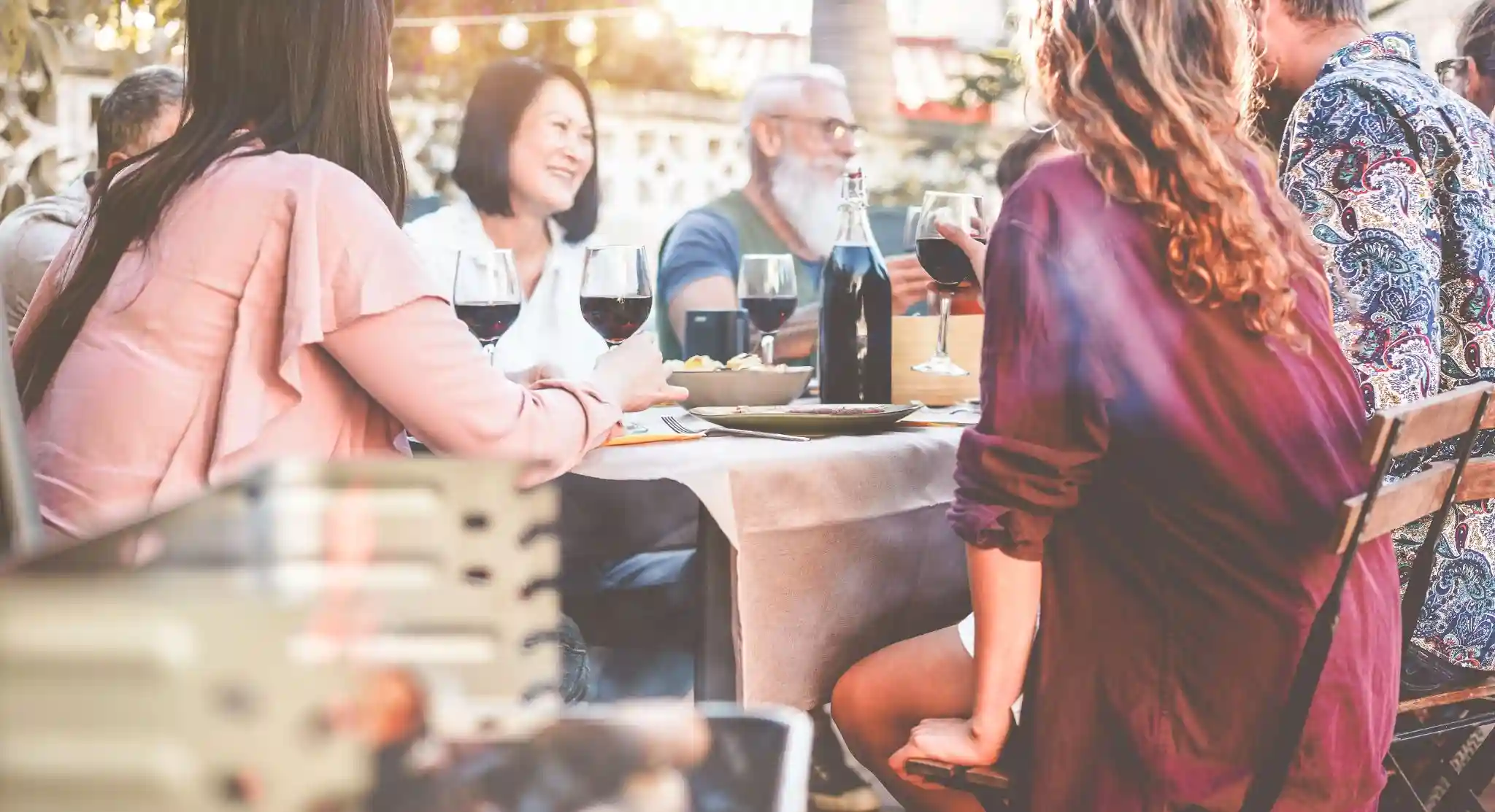
The Comprehensive Restaurant Events Guide: Food Festivals, Pop-Ups, and Wine Tastings
Restaurant events have become one of the most exciting ways to explore culinary culture. Whether it’s a bustling outdoor food festival, an intimate chef-led pop-up, a sophisticated wine tasting, or a multi-day restaurant week celebration, these events offer opportunities to experience food in new, immersive, and unforgettable ways. Restaurants today understand that diners crave more than just meals, they want connection, entertainment, and a sense of community. That’s where restaurant events shine.
The rise of culinary events has transformed how people discover new restaurants, support small businesses, and experience different flavors. These gatherings bring together chefs, winemakers, local vendors, and food enthusiasts for shared experiences rooted in creativity, culture, and passion. This comprehensive guide explores the most popular types of restaurant events, what makes them special, and how to make the most of them as a dining enthusiast.
Why Restaurant Events Are So Popular Today
Culinary events are more than celebrations, they’re opportunities for discovery. Diners get to try exclusive dishes, meet chefs, learn cooking skills, and explore ingredients they may have never encountered otherwise.
Restaurant events are popular because they:
-
Offer unique, limited-time food experiences
-
Showcase creativity from chefs and beverage experts
-
Bring communities together
-
Introduce diners to new restaurants and cuisines
-
Support local food producers and vendors
-
Provide entertainment along with dining
-
Break the “routine” of traditional restaurant visits
Events energize food culture and inspire diners to explore beyond their usual comfort zones.
Types of Restaurant Events You’ll Encounter
Restaurant events come in many forms, each offering a different type of culinary adventure. From large festivals to intimate chef’s table experiences, every event holds its own atmosphere and charm.
Below is a detailed breakdown of the most common types of restaurant events and what they offer.
1. Food Festivals
Food festivals are large-scale events that bring together multiple restaurants, chefs, and vendors. They’re community-driven celebrations of flavors, styles, and cooking traditions.
What to expect:
-
Dozens (sometimes hundreds) of food stalls
-
Street food, signature dishes, and exclusive festival meals
-
Cultural showcases, BBQ festivals, taco festivals, seafood festivals
-
Live music and entertainment
-
Cooking demonstrations
-
Food competitions
Food festivals are perfect for adventurous eaters who want to try many flavors in one place.
2. Pop-Up Restaurants
Pop-ups are temporary dining experiences created by restaurants, chefs, or culinary entrepreneurs. They may last one night or multiple months.
Why pop-ups are special:
-
Exclusive, limited menus
-
Chance to try a chef’s creative concepts
-
Often held in unique locations (rooftops, warehouses, small cafés)
-
Great for discovering rising culinary talent
-
More affordable than fine dining
Pop-ups are often the testing ground for future restaurants, and many famous eateries began as pop-ups.
3. Chef Collaborations and Guest Chef Nights
These events pair two or more chefs, often from different restaurants or culinary backgrounds, to create a combined menu.
What you’ll experience:
-
Multi-course tasting menus
-
Fusion flavors and joint creativity
-
Rare or experimental dishes
-
Chef storytelling and plate presentations
These events are popular with food lovers who enjoy innovative cuisine and chef-driven narratives.
4. Wine Tastings and Wine Pairing Dinners
Wine-focused events allow diners to explore different wine styles, regions, and pairing techniques.
Expect:
-
Guided tastings led by sommeliers
-
Pairings with specific dishes
-
Education about grapes, terroir, and wine aging
-
Opportunities to purchase wines directly from producers
These events elevate appreciation for the art of balancing food and wine.
5. Cocktail Nights and Mixology Workshops
Restaurants and bars often host cocktail-focused events celebrating spirits, mixology techniques, and seasonal ingredients.
Activities may include:
-
Hands-on mixology classes
-
Signature cocktail samplings
-
Spirit-specific nights (whiskey, rum, gin, tequila)
-
Pairings with small plates
They’re fun, interactive, and perfect for social groups.
6. Restaurant Week Events
Restaurant Week is a multi-day event where participating restaurants offer special prix-fixe menus at discounted prices.
Benefits:
-
Try luxury restaurants at lower cost
-
Multi-course meals for budget-friendly prices
-
Discover new restaurants without a large commitment
Restaurant Week encourages diners to explore their local food scene.
7. Themed Dining Events
Themed events create immersive culinary experiences around a concept.
Themes may include:
-
Cultural nights (Italian night, Thai night, Caribbean night)
-
Historical dinners
-
Holiday-themed menus
-
Murder mystery dinners
-
Costume dining experiences
These events combine food with entertainment, storytelling, and creativity.
8. Food Truck Gatherings
Food truck festivals bring together mobile kitchens that offer diverse cuisines, from gourmet burgers to fusion tacos to desserts.
Pros:
-
Affordable dishes
-
Casual, fun environment
-
Great for large groups
-
Exploration of creative street food
-
Rotating trucks with new menus
Food truck gatherings are ideal for adventurous eaters who enjoy variety.
9. Farm-to-Table Experiences
These events highlight local farms and the seasonal ingredients they produce.
Experiences include:
-
Outdoor dinners hosted on farms
-
Menus crafted from just-harvested produce
-
Interaction with farmers and chefs
-
Sustainability and food education
They offer a deep appreciation for where food comes from.
10. Cooking Classes and Culinary Workshops
Some restaurants host hands-on cooking events where attendees follow recipes guided by chefs.
You may learn:
-
Knife skills
-
Sauce-making
-
Bread-baking
-
Pasta-making
-
Grilling and smoking techniques
Workshops turn diners into creators, making food more personal and meaningful.
11. Soft Openings and Pre-Launch Tastings
Before opening, many restaurants host exclusive pre-launch events.
Benefits:
-
Try menu items before the public
-
Provide feedback to the chef
-
Enjoy discounted or complimentary tastings
-
Experience new concepts firsthand
These events are ideal for foodies who love being early explorers.
How to Get the Most Out of Restaurant Events
To fully enjoy culinary events, preparation and strategy matter. The more intentional you are, the better your experience becomes.
Tips for maximizing any event:
-
Arrive early for the best food and shortest lines
-
Buy VIP passes if you want exclusive tastings or early access
-
Come hungry but pace yourself
-
Check the menu or vendor list in advance
-
Bring cash for quicker transactions
-
Engage with the chefs, they love talking about their craft
-
Take photos to remember unique dishes
-
Try something new every time
Restaurant events are about exploration, not routine.
How Restaurant Events Support Local Economies
Behind every event are dozens of businesses working together.
Restaurant events help:
-
Small restaurants gain exposure
-
Entrepreneurs test new food concepts
-
Local farmers sell fresh produce
-
Vendors reach new customers
-
Cities attract tourism
-
Communities strengthen their food culture
These events are more than entertainment, they’re economic drivers.
Frequently Asked Questions
1: Are restaurant events suitable for picky eaters?
Yes, but it depends on the event type. Food festivals and food truck gatherings offer the most variety, which is ideal for selective eaters. More specialized events, like wine pairing dinners or chef collaborations, may have fixed menus that cater to adventurous diners.
2: How do I find upcoming restaurant events in my area?
You can check restaurant social pages, event platforms, local magazines, food blogs, community calendars, and even local Facebook groups. Many restaurants also send newsletters announcing upcoming events, pop-ups, and workshops.
3: Are pop-up restaurants expensive?
Pop-up prices vary widely. Some pop-ups are budget-friendly street-food concepts, while others are upscale tasting menus created by guest chefs. Pop-ups generally cost less than fine dining restaurants but more than casual eateries.
Final Thoughts
Restaurant events bring the world of food to life in new and exciting ways. Whether you’re savoring bites at a lively food festival, enjoying a rare wine pairing dinner, or sampling innovative dishes at a chef-led pop-up, these events offer unforgettable dining experiences. They celebrate creativity, culture, and community, inviting diners to explore flavors they might never encounter otherwise.
By understanding the different types of events and knowing how to navigate them, you can enrich your culinary adventures, support local businesses, and make memories rooted in shared food experiences. Restaurant events are more than meals, they’re celebrations of passion, craftsmanship, and the joy of gathering around food.