


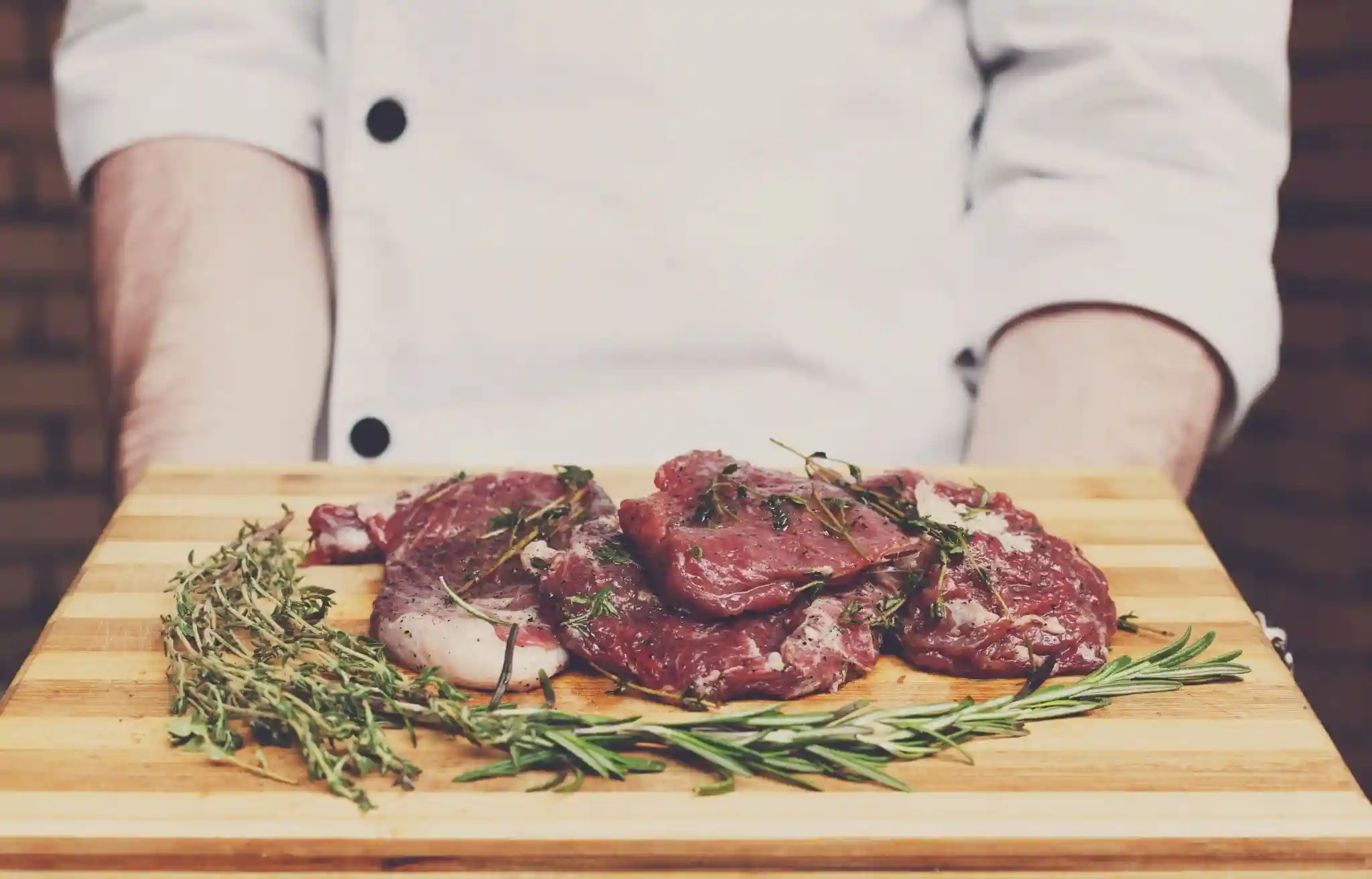
What criteria do professional food critics use when writing the best steak reviews?
Steak reviews may seem simple at first glance, after all, who doesn’t know what a good steak tastes like? But when professional food critics evaluate steak, they follow a precise and detailed system that takes into account everything from breed genetics and marbling to the ambiance of the restaurant and the structure of the fat cap. These reviews aren’t just opinions, they’re assessments rooted in culinary science, sensory evaluation, and years of experience.
Food critics write about steak with a trained palate and a deep understanding of beef quality. They consider dozens of factors that influence flavor, tenderness, juiciness, and overall enjoyment. Their goal is to help readers distinguish between an average cut and a world-class one, offering insights that elevate steak appreciation for both home cooks and restaurant diners.
This guide explains the exact criteria critics rely on, how they evaluate each element, and why these standards matter. Once you understand their process, you’ll read steak reviews with new clarity, and even taste steak differently.
1. Marbling: The Foundation of Premium Beef Quality
Marbling refers to the intramuscular fat distributed throughout the steak. It is one of the most important factors in determining quality because it directly influences juiciness, tenderness, and flavor.
Professional critics look for:
-
Even distribution of fat (not clumped or patchy)
-
Fineness of marbling threads
-
Amount of marbling relative to cut type
-
How the fat melts during cooking
In high-end beef like Wagyu, marbling is extremely fine and abundant. Critics often describe it as butter-like or silky, noting how it melts on the palate.
2. Tenderness and Texture
The tenderness of a steak affects how easily it cuts, chews, and breaks down in the mouth.
Critics evaluate:
-
Muscle fiber structure
-
Resistance when cutting
-
Softness vs chewiness
-
Moisture retention after slicing
-
Uniformity across the steak
A perfectly cooked tender steak should offer slight resistance followed by a smooth, buttery finish.
3. Flavor Profile and Depth
Flavor is the heart of a steak review. Critics assess both the intensity and complexity of the taste.
They consider:
-
Beef richness
-
Umami concentration
-
Sweetness from fat content
-
Earthy notes from dry-aging
-
Mineral flavors from grass-fed beef
-
Smoky or charred notes from cooking
A well-reviewed steak balances natural beef flavor with subtle undertones introduced by the aging process, breed, and cooking method.
4. Aroma and Scent
A steak’s aroma is an indicator of freshness, seasoning, and cooking technique.
Critics smell for:
-
Fat-forward aroma
-
Grill or sear scent
-
Subtle aged or nutty notes from dry-aging
-
Herb or butter fragrances
A compelling aroma signals quality before the first bite.
5. The Aging Process: Dry-Aged vs. Wet-Aged
Food critics place heavy emphasis on the aging method because it dramatically changes flavor and texture.
Dry-Aged Steak
-
Intensified flavor
-
Nutty, earthy notes
-
Firmer texture
-
Higher price point
Wet-Aged Steak
-
More subtle flavor
-
Increased tenderness
-
More moisture retention
-
Mild, clean taste
Critics assess not just the aging type but also the duration, as dry-aging beyond 45 days can produce blue-cheese-like intensity.
6. Cooking Technique and Execution
Even the world’s best steak can be ruined by poor cooking. Critics carefully evaluate:
Cooking accuracy:
-
Was the requested temperature met?
-
Is the center evenly cooked?
-
Does the steak rest properly to retain juices?
Searing quality:
-
Is there a flavorful crust?
-
Is the Maillard reaction evident?
-
Is the sear consistent across the steak?
Juiciness:
-
Does moisture release when sliced?
-
Is the fat rendered properly?
Critics often note whether a steak was grilled, pan-seared, sous-vided, or cooked over open flame, and how that method affected flavor.
7. Cut Selection and Intended Use
Different cuts of steak carry different expectations. Critics evaluate each based on its natural characteristics.
For example:
-
Ribeye: judged for marbling and richness
-
Filet mignon: judged for tenderness over flavor
-
Striploin: judged for balance of texture and beefiness
-
T-bone and Porterhouse: judged for dual-cut execution
A critic’s job is to evaluate a cut based on what it is designed to deliver, not compare it unfairly to another.
8. Beef Source and Breed Quality
Professional critics always consider the origin and breed of the beef. Just like wine, the region and genetics matter.
Common breeds reviewed:
-
Wagyu
-
Black Angus
-
Hereford
-
Charolais
-
Limousin
-
Brahman
-
Mixed heritage breeds
Critics also factor in:
-
Whether the beef is grass-fed, grain-fed, or a combination
-
The farm’s reputation and ethical standards
-
Stress levels of the animal (which affect tenderness)
-
Whether the beef is imported or locally sourced
These details contribute significantly to the final score.
9. Seasoning and Preparation
Steak seasoning varies widely depending on culinary tradition.
Critics look for:
-
Appropriate salt levels
-
Clean, even seasoning distribution
-
Whether flavors complement or overpower the beef
-
Use of butter, garlic, herbs, or smoke
A good steak should highlight the meat, not hide it.
10. Presentation and Visual Appeal
Presentation influences perception before the first bite.
Critics note:
-
Plate warmth
-
Arrangement of sides
-
Thickness and evenness of cut
-
Visible juiciness
-
Fat cap rendering
-
Color contrast between crust and interior
Presentation is especially important in fine-dining steak reviews.
11. Temperature and Service Timing
Professional critics discreetly analyze the restaurant’s performance beyond the food itself.
They evaluate:
-
Was the steak served hot?
-
Did sides arrive simultaneously?
-
Did the server understand doneness temperatures?
-
Were rest times respected?
Even small service inconsistencies influence the dining experience.
12. Overall Dining Experience
Steak reviews often include the environment in which the meal takes place.
Critics consider:
-
Ambiance and lighting
-
Noise level
-
Seating comfort
-
Knowledgeable service
-
Hospitality and detail orientation
A magnificent steak can be overshadowed by a poor dining environment, so critics evaluate both.
13. Value for Price
A critic’s job is not only to praise excellence, they must determine if the steak is worth the price charged.
They assess:
-
Portion size
-
Overall experience
-
Quality vs cost
-
Consistency across visits
-
Comparable market pricing
High-priced steaks must justify their premium through quality and execution.
Putting It All Together: How Critics Score a Steak
Professional reviewers usually score a steak based on a weighted system, such as:
-
Flavor (30%)
-
Tenderness (20%)
-
Marbling (15%)
-
Cooking accuracy (15%)
-
Presentation (10%)
-
Value (10%)
While every publication uses its own method, these categories commonly influence ratings.
How Understanding These Criteria Helps You
When you know how critics evaluate steak, you can:
-
Choose better cuts
-
Buy beef with confidence
-
Experience steak like a professional
-
Identify quality quickly
-
Avoid overpriced low-quality options
-
Improve your own cooking
-
Read reviews with more clarity
You become an informed consumer, and a more appreciative diner.
Frequently Asked Questions
1: Why do critics emphasize marbling so heavily in steak reviews?
Marbling is one of the strongest indicators of flavor, tenderness, and juiciness. Fat improves mouthfeel, enhances the melting sensation, and carries flavor more effectively than lean muscle. Critics prioritize marbling because it affects nearly every aspect of the eating experience.
2: Are critics biased toward expensive steaks?
Professional critics aren’t rating price, they’re evaluating quality. Many inexpensive steaks earn high ratings when they deliver exceptional flavor and tenderness. Likewise, some expensive steaks receive lower scores if quality, aging, or cooking execution falls short.
3: Do critics prefer dry-aged or wet-aged steak?
Preferences vary, but many critics lean toward dry-aged steaks due to their deeper, richer, nutty flavor and firm texture. However, wet-aged steaks can score equally high if they are cooked perfectly and sourced from premium beef.
Final Thoughts
Steak reviewing is an art rooted in science, sensory awareness, and culinary expertise. Professional food critics don’t judge steaks casually, they analyze every detail from flavor intensity to cooking precision, marbling, presentation, and sourcing. Their criteria ensure that steak reviews remain consistent, informative, and reliable for readers who want to discover exceptional beef.
Understanding how critics think gives you new appreciation for steak, whether you’re enjoying a fine-dining Wagyu ribeye, a perfectly seared filet mignon, or a simple but flavorful grass-fed cut cooked at home. Once you begin evaluating steak using these criteria, your palate sharpens, your expectations rise, and your dining experiences become richer and more rewarding.